


Dental Crowns & Bridges in Shelby Township, MI
What Our Patients
Are Saying
Fix a Broken Tooth or Replace a Missing Tooth

Dental Crowns
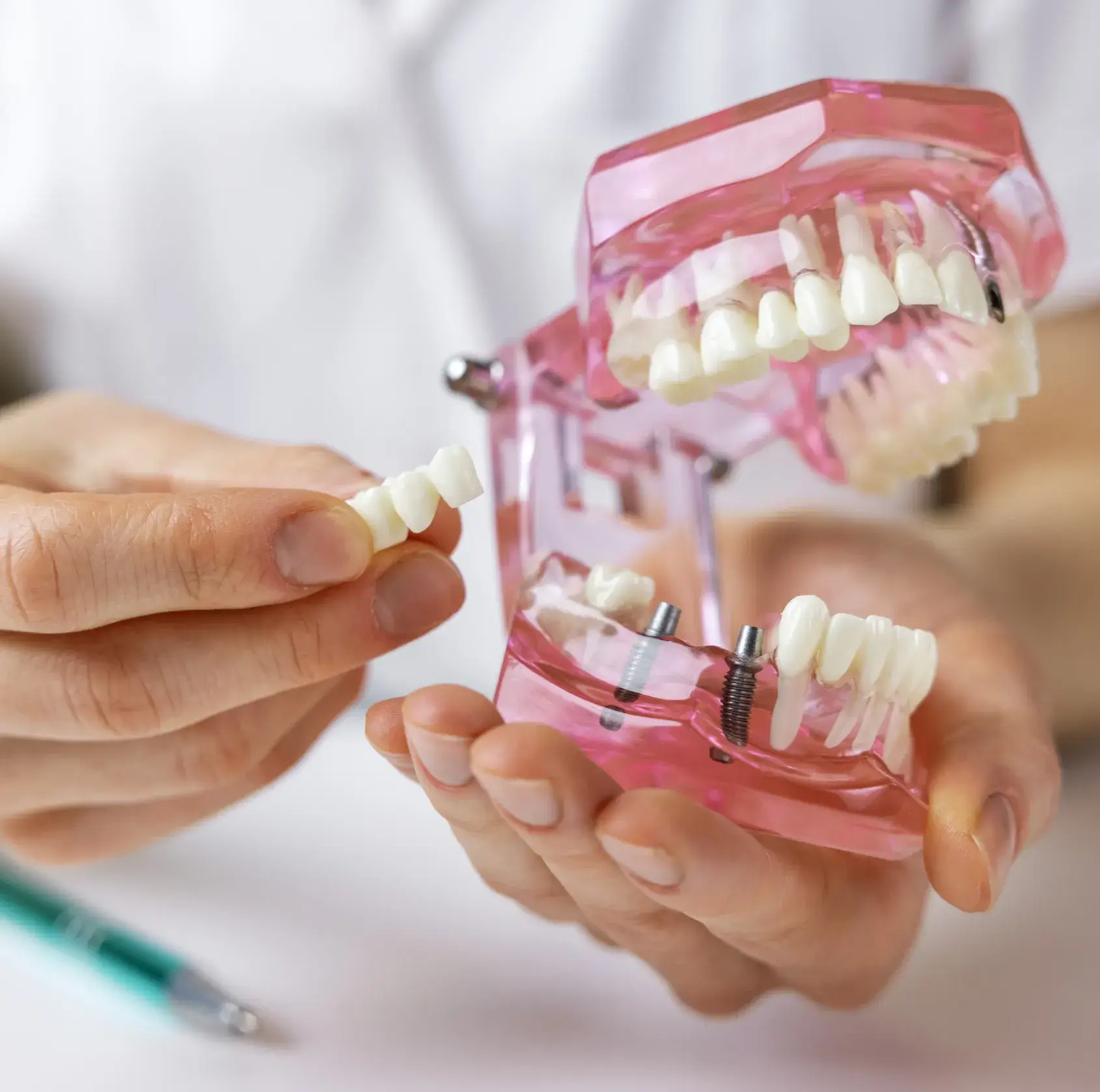
A dental crown completely covers a damaged tooth, making it stronger and more comfortable to use. You may need a crown if a cavity is too big for a filling or if a root canal has weakened the tooth. Crowns can also protect cracked teeth or replace old dental work. They can also improve the look of a tooth, especially if it affects your smile or confidence.
Dental Bridges
When you lose a tooth, it’s not just about how it looks. A dental bridge uses the teeth next to the gap to hold a replacement tooth in place. Bridges help when missing teeth make chewing uncomfortable, cause nearby teeth to shift, or affect your speech and appearance. They also support your face and lips, preventing a sunken look around the mouth.
What’s the Difference?
The key difference is that crowns save existing teeth that are damaged, while bridges replace teeth that are already gone. Both restore normal function, but the underlying problem determines which solution makes sense for your situation.
Crown and Bridge Materials
Porcelain Restorations
These offer the most natural appearance and work well for front teeth where aesthetics matter most. Modern porcelain is durable and can be precisely matched to your existing tooth color.
Lithium Disilicate Glass-Ceramic
A high-strength ceramic option that combines excellent appearance with superior durability. E-max works well for both front and back teeth and offers exceptional longevity.
Other Materials
Depending on your specific situation, other materials might be appropriate. We'll discuss all options during your consultation based on factors like location in your mouth, your bite, and your preferences.
The Treatment Process
Evaluation and Planning
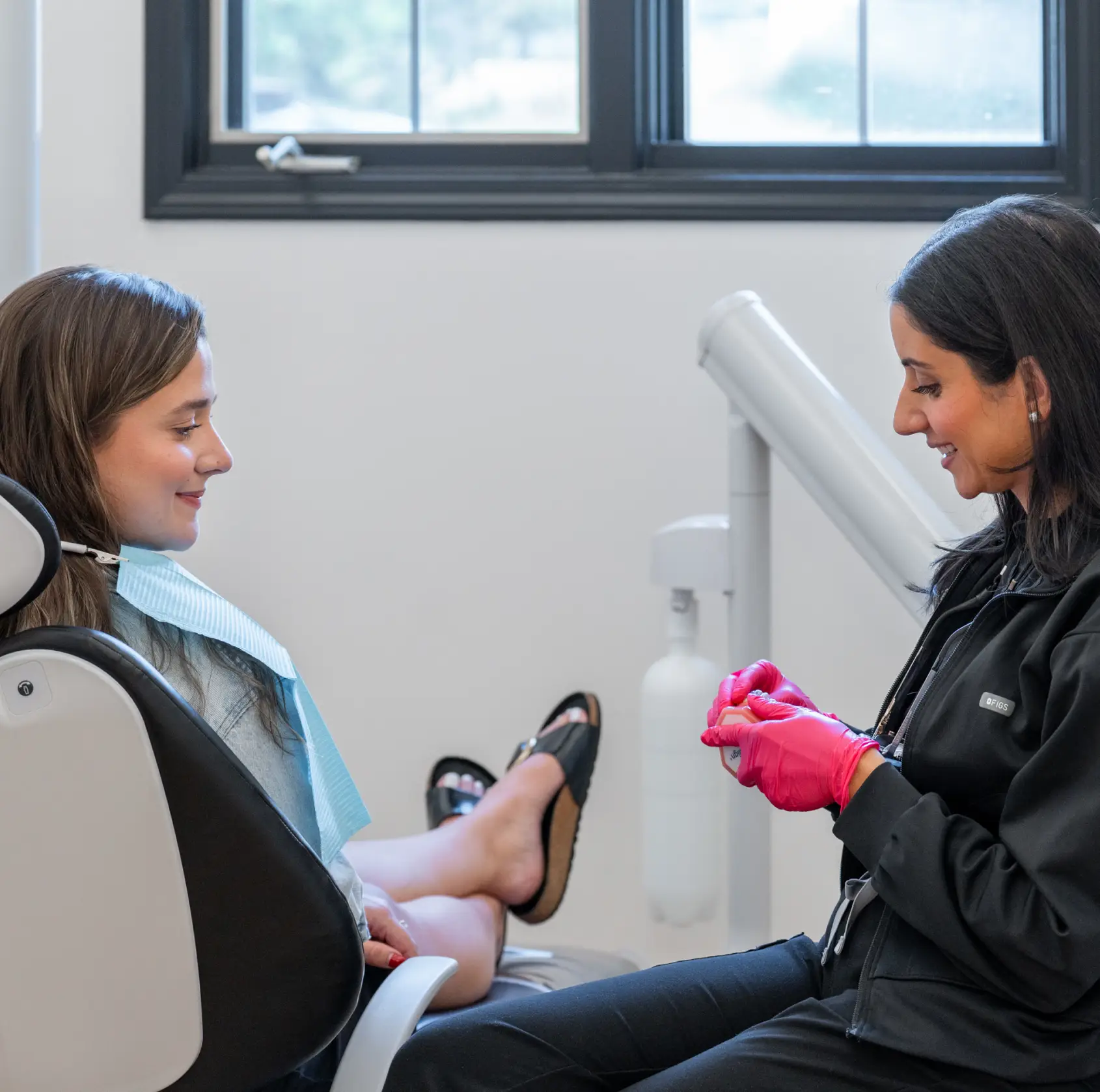
Dr. Tangalos and Dr. Saikaley will examine your teeth and take digital images to determine the best approach for your situation. You'll see exactly what needs to be done and understand your options before making any decisions.
Preparation Appointment
We'll prepare the tooth or teeth that will support your crown or bridge. This involves reshaping the tooth structure to make room for the restoration. We use local anesthesia to keep you comfortable throughout the process.
Temporary Protection
While your permanent restoration is being made, we'll place a temporary crown or bridge to protect your teeth and maintain your appearance.
Final Placement
When your custom restoration is ready, we'll remove the temporary and carefully fit your new crown or bridge. We'll make any necessary adjustments to ensure proper bite and comfort before permanently cementing it in place.
Meet The Founders
Together, they founded Revive Dentistry to create a space where patients feel heard, cared for, and truly valued. Whether it's a routine cleaning or a complete smile transformation, every visit is guided by the same philosophy: to treat patients like family and help them achieve the smile they've always envisioned.
At Revive Dentistry, your comfort and confidence come first - always.
Experience and Compassionate Care
Artistry and Precision in Every Procedure

Living with Crowns and Bridges
Daily Care
Crowns and bridges require the same care as your natural teeth - regular brushing and flossing. For bridges, you'll need to clean under the replacement tooth using special floss or cleaning tools we'll show you how to use.
Eating and Function
Once you've adjusted to your restoration (usually within a few days), you should be able to eat normally. Most patients find their chewing ability is significantly improved, especially when replacing missing teeth with bridges.
Longevity
With proper care and regular dental visits, crowns and bridges typically last 10-15 years or longer. Factors like your oral hygiene, eating habits, and whether you grind your teeth can affect how long they last.
A Dental Visit That Feels Like Home

Feel Confident in Your Smile Every Day
Personalized Care Tailored to You

One-Stop Smile Care

A New Kind of Dental Care Experience
A Family-Friendly Approach
Frequently Asked Questions
Can a crown or bridge be repaired if damaged?
Minor chips or rough spots can sometimes be polished or repaired. More significant damage usually requires replacement of the restoration.
What happens if the tooth under a crown develops problems?
While crowns protect teeth effectively, underlying issues can occasionally develop. Regular check-ups help us monitor the health of crowned teeth and address any concerns early.
How do I clean a dental bridge?
Bridges require special cleaning techniques to remove plaque from under the replacement tooth. We'll show you how to use bridge floss and other tools to keep your restoration clean.
What if my crown or bridge feels uncomfortable?
Some initial adjustment is normal, but if discomfort persists beyond a few days, contact us. We can make adjustments to ensure proper fit and comfort.
Can I eat normally with a crown or bridge?
After a brief adjustment period, you should be able to eat most foods normally. We'll provide guidance on any foods to avoid initially and tips for caring for your restoration.
Are crowns and bridges covered by insurance?
Many dental insurance plans provide partial coverage for crowns and bridges when they're necessary for oral health. We'll verify your benefits and help you understand your coverage.
How long does the process take?
Most crown and bridge treatments require two appointments spaced about 2-3 weeks apart. Each appointment typically takes 1-2 hours, depending on the complexity of your case.
Is the treatment process uncomfortable?
We use local anesthesia during preparation appointments to ensure comfort. Most patients experience minimal discomfort after treatment, and any sensitivity typically resolves within a few days.
Will my restoration look natural?
Modern materials and techniques allow us to create restorations that blend seamlessly with your natural teeth in both color and shape. Most people won't be able to tell you have a crown or bridge.
How long do crowns and bridges last?
With proper care and regular dental check-ups, crowns and bridges typically last 10-15 years or longer. Good oral hygiene and avoiding habits like teeth grinding help maximize their lifespan.
We Take Your
Insurance